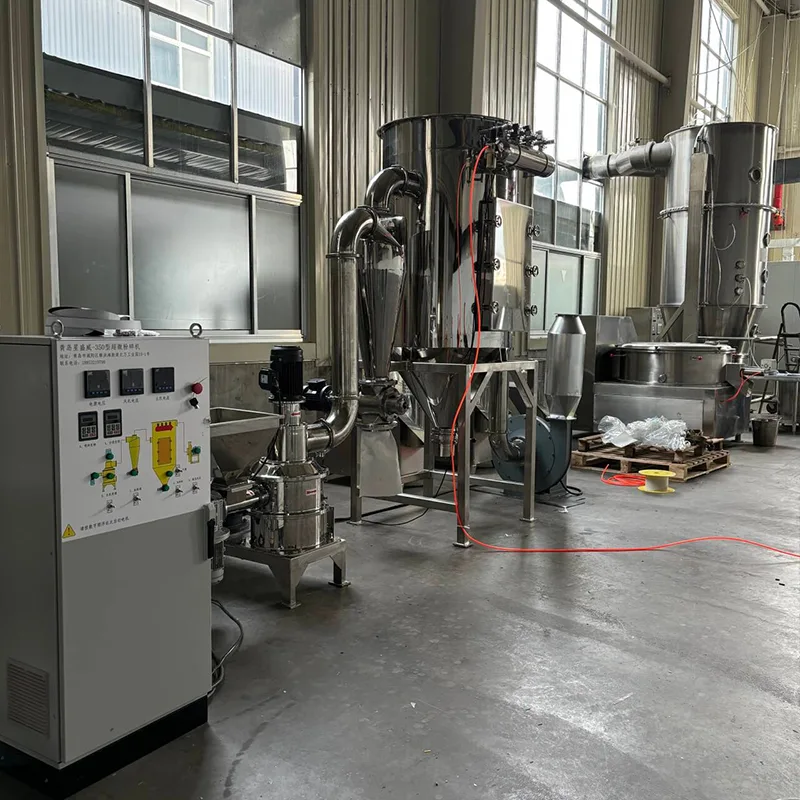
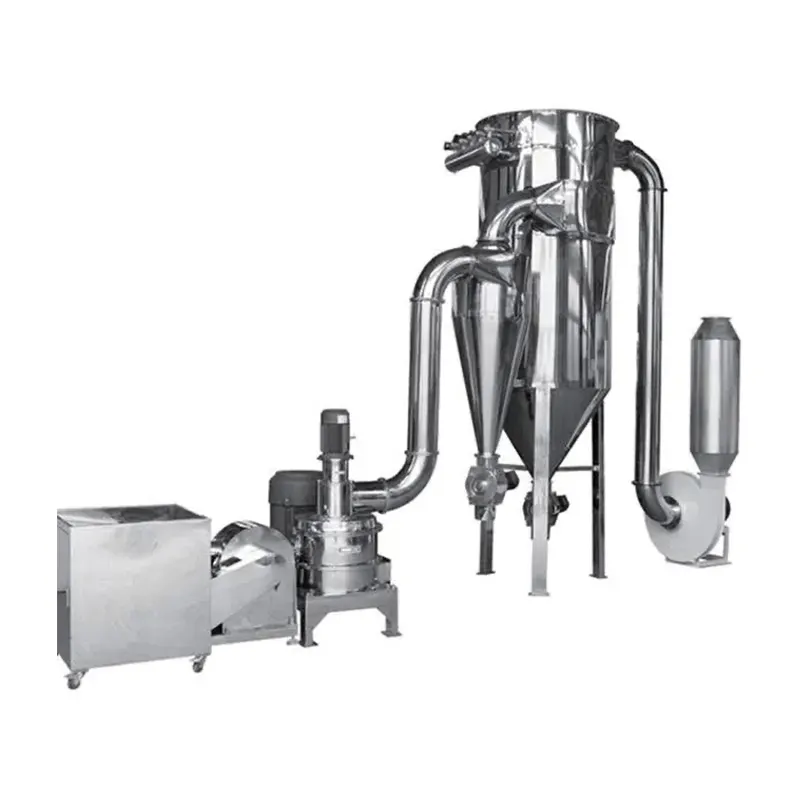
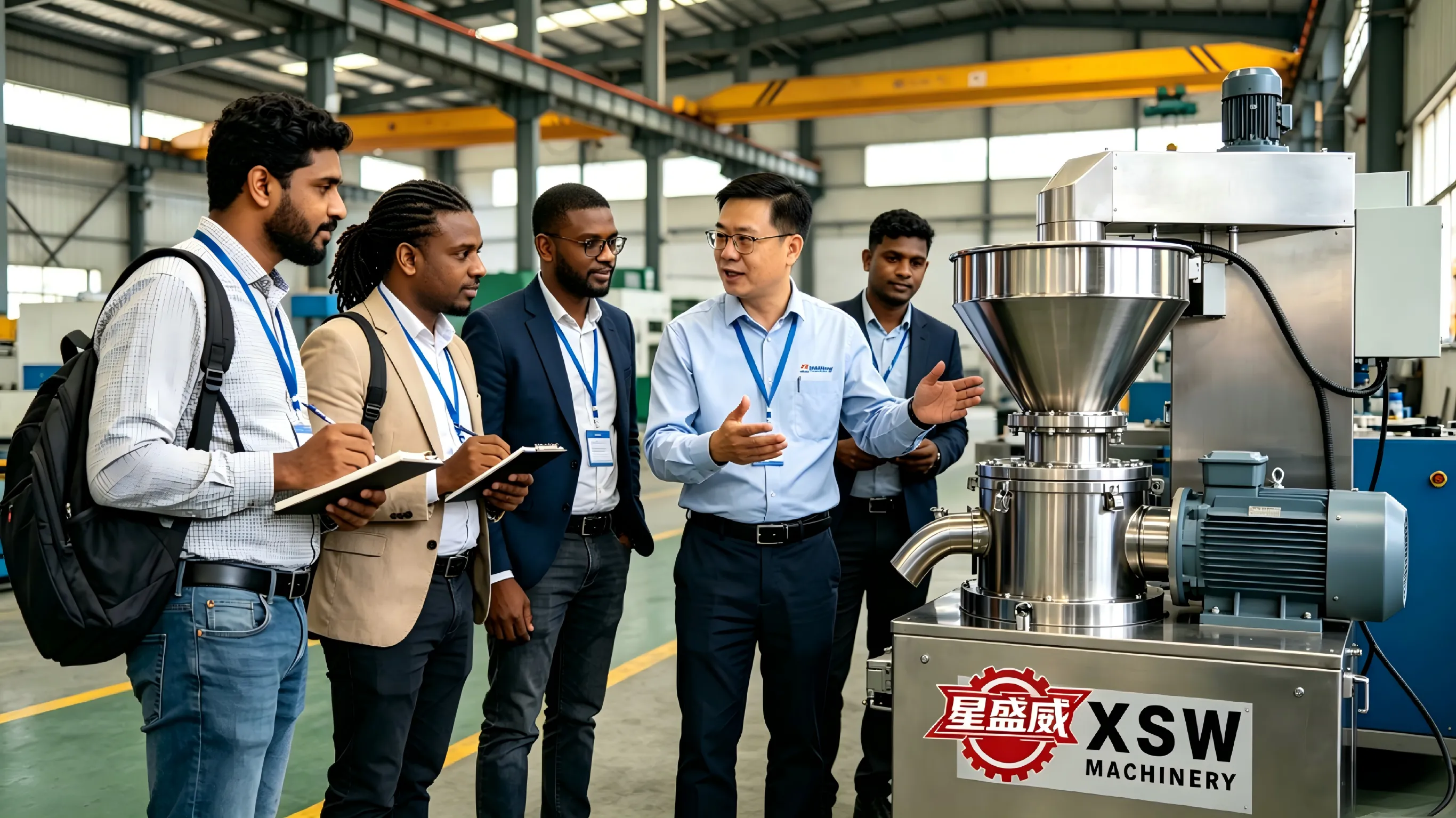
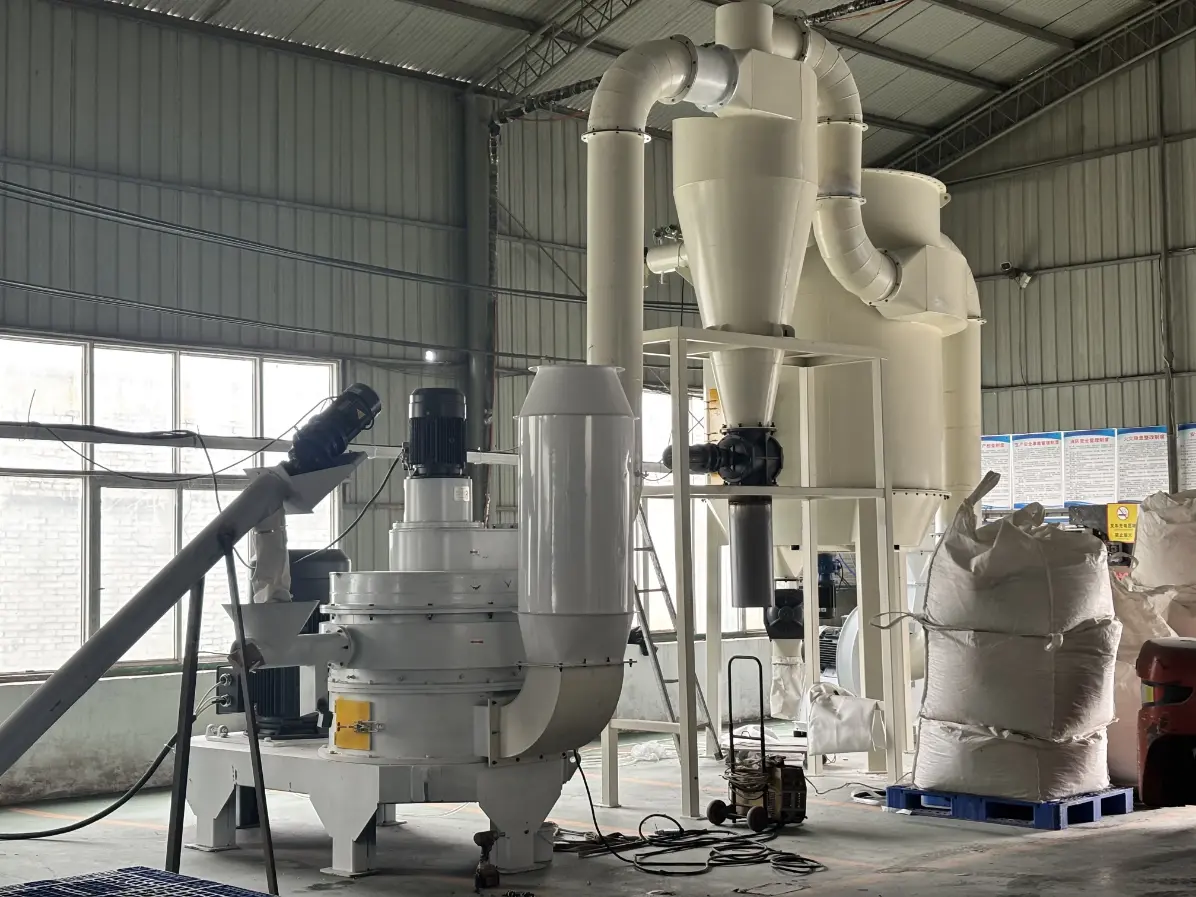
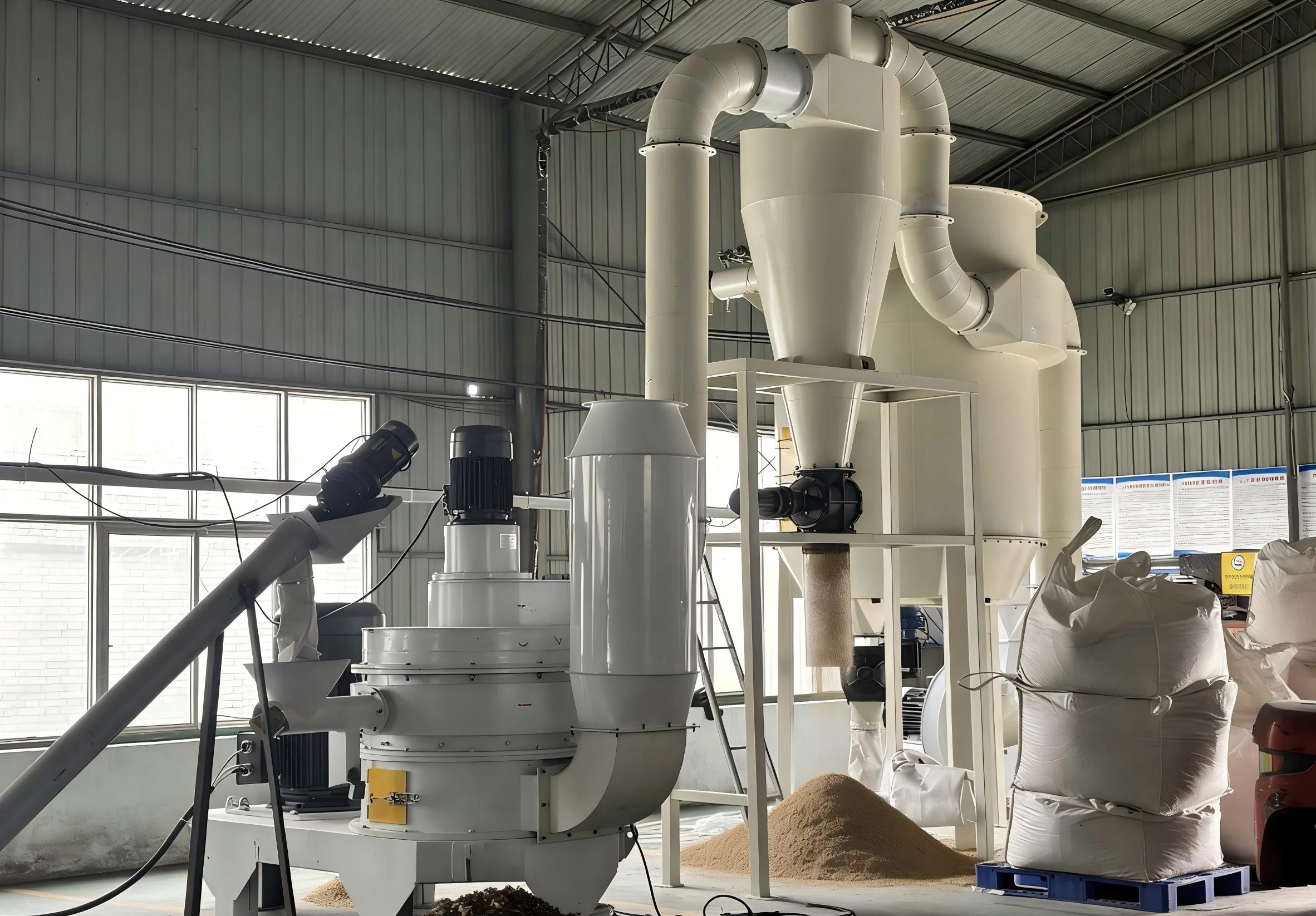
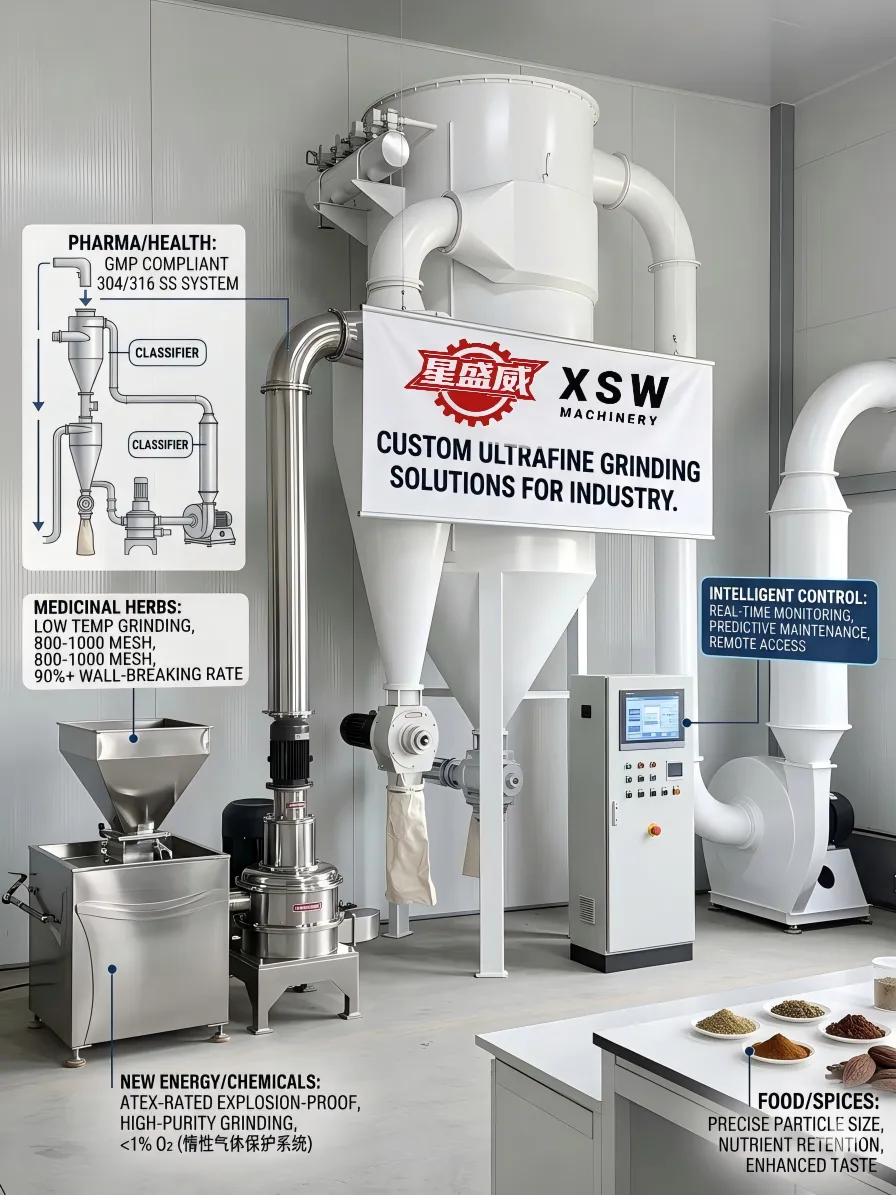
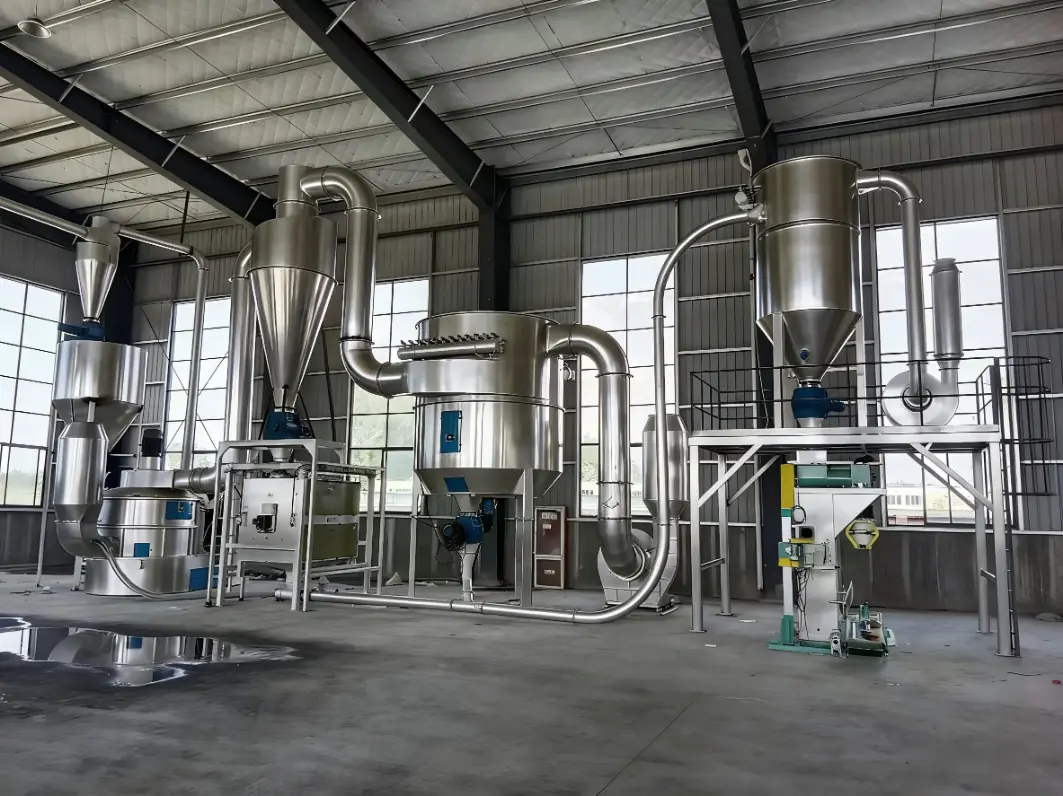
Chemical ultrafine pulverizers are specialized equipment designed for grinding various chemical materials into ultra-fine powders. Combining advanced grinding technology and industrial safety standards, they exhibit unique characteristics tailored to the harsh and diverse requirements of the chemical industry.
The core features are as follows:
1. High Grinding Precision and Uniform Particle Size Distribution
One of the most prominent features of chemical ultrafine pulverizers is their exceptional grinding precision. They can process chemical materials into powders with a particle size ranging from several micrometers to hundreds of nanometers, meeting the strict fineness requirements of high-end chemical products (such as catalysts, pigments, and pharmaceutical intermediates). Moreover, the equipment is equipped with sophisticated classification systems (e.g., built-in air classifiers), which effectively screen and separate particles during the grinding process. This ensures that the final product has a narrow and uniform particle size distribution, avoiding uneven quality caused by oversized or undersized particles and improving the performance and stability of subsequent chemical reactions or product applications.
2. Strong Adaptability to Diverse Chemical Materials
Chemical materials vary widely in properties—some are hard and brittle (e.g., quartz, limestone), some are soft and sticky (e.g., resins, waxes), and others are corrosive, toxic, or flammable. Chemical ultrafine pulverizers are designed with strong material adaptability to handle these diverse feedstocks. They adopt adjustable grinding mechanisms (such as hammer mills, jet mills, or ball mills) and can be customized with different liner materials (e.g., corundum, polyurethane, or stainless steel) according to the material's characteristics. For example, jet mills are suitable for grinding heat-sensitive or low-melting-point chemical materials (avoiding thermal decomposition caused by friction heat), while hammer mills are efficient for hard and brittle chemical raw materials. Additionally, the equipment can adjust parameters such as grinding speed, air volume, and feed rate to optimize the grinding effect for specific materials.
3. Excellent Operational Safety and Environmental Protection Performance
Safety and environmental protection are critical in the chemical industry, and chemical ultrafine pulverizers are equipped with multiple safety and environmental protection measures. For processing flammable, explosive, or toxic chemical materials, the equipment adopts explosion-proof designs (e.g., explosion-proof motors, pressure relief devices) and sealed grinding chambers to prevent material leakage and avoid contact with air, reducing the risk of combustion, explosion, or toxic gas emission. In terms of environmental protection, the integrated dust removal systems (such as bag filters or cyclone dust collectors) can efficiently capture the ultra-fine powder generated during grinding, minimizing dust pollution. Meanwhile, advanced noise reduction technologies (e.g., sound insulation casings, damping pads) are applied to reduce operational noise, complying with industrial environmental protection standards.
4. High Grinding Efficiency and Energy Conservation
Compared with traditional grinding equipment, chemical ultrafine pulverizers feature higher grinding efficiency. They utilize high-energy grinding principles (e.g., high-speed impact, supersonic jet collision) to fully convert mechanical energy or pneumatic energy into grinding energy, shortening the processing cycle and improving unit output. For example, jet mills can achieve high-efficiency grinding by accelerating particles to supersonic speeds through high-pressure air, enabling instantaneous collision and fragmentation between particles. Additionally, the equipment is equipped with energy-saving components (such as variable-frequency motors and efficient air compressors), which can adjust energy consumption according to the processing load, reducing unnecessary energy waste. This not only lowers the production cost for enterprises but also aligns with the trend of green and low-carbon development.
5. Stable Operation and Easy Maintenance
Chemical production requires continuous and stable equipment operation to ensure production continuity. Chemical ultrafine pulverizers adopt robust structural designs and high-quality core components (e.g., wear-resistant bearings, high-precision gears), which enhance the equipment's reliability and reduce the frequency of failures. In terms of maintenance, the equipment is designed with a humanized structure—key parts (such as grinding chambers, classifiers, and filters) are easy to disassemble and assemble, facilitating routine cleaning, inspection, and replacement of wearing parts. This reduces maintenance time and labor costs, ensuring long-term stable operation of the production line.
We use cookies to offer you a better browsing experience, analyze site traffic and personalize content. By using this site, you agree to our use of cookies. Privacy Policy