1. The Fundamental Challenge of Processing Fruits and Vegetables
Transforming whole fruits and vegetables into fine powders is far more complex than grinding grains or spices. The high moisture content, natural sugars, and fibrous structures of produce create significant obstacles for conventional milling equipment. Traditional hammer mills and pin mills often generate excessive heat, leading to flavor degradation, color browning, and loss of heat-sensitive nutrients. Moreover, the fibrous nature of many fruits and vegetables—such as apple pomace, carrot pulp, or citrus peels—can cause clogging, uneven particle sizes, and reduced throughput.
These challenges have driven the development of specialized equipment designed specifically for produce-based materials. The Fruit Vegetable Ultrafine Pulverizer emerged as a solution that combines mechanical impact grinding with air classification, enabling processors to achieve uniform particle distributions down to the micron level. This technology addresses the core pain points that have historically limited the production of high-quality fruit and vegetable powders.
2. How the Fruit Vegetable Ultrafine Pulverizer Works
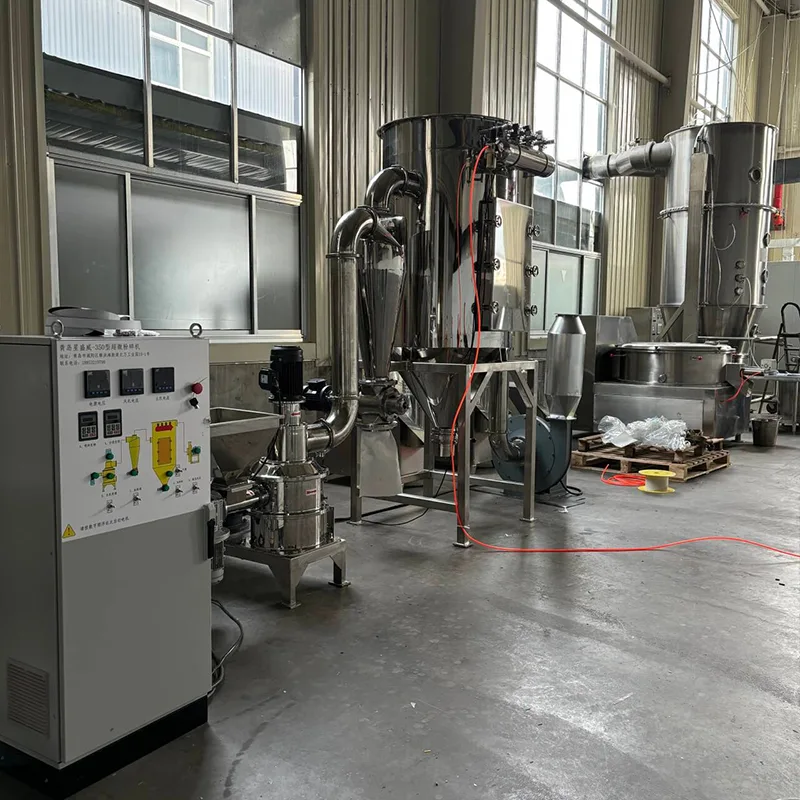
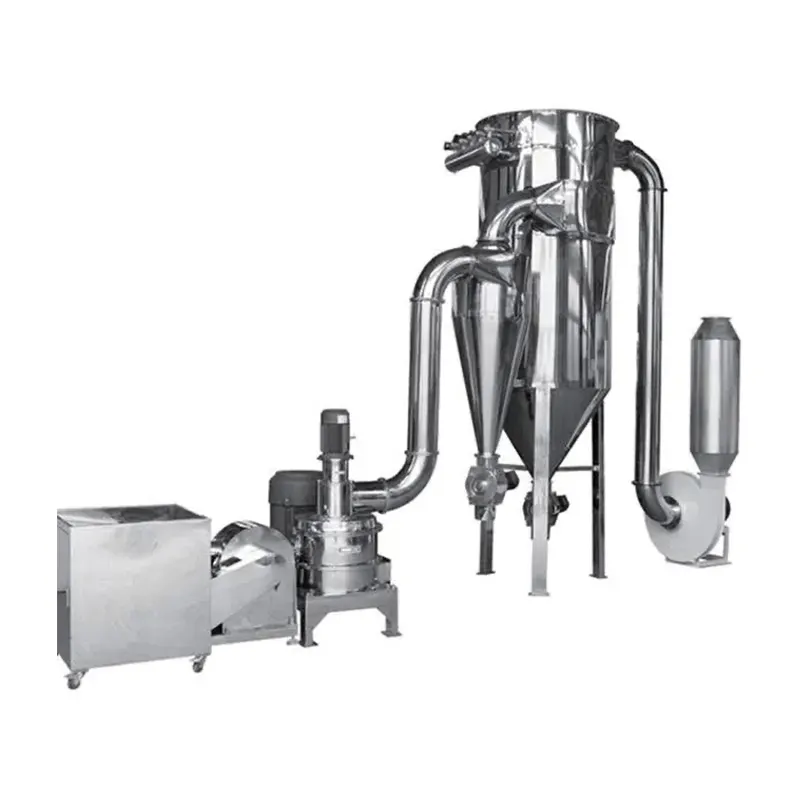
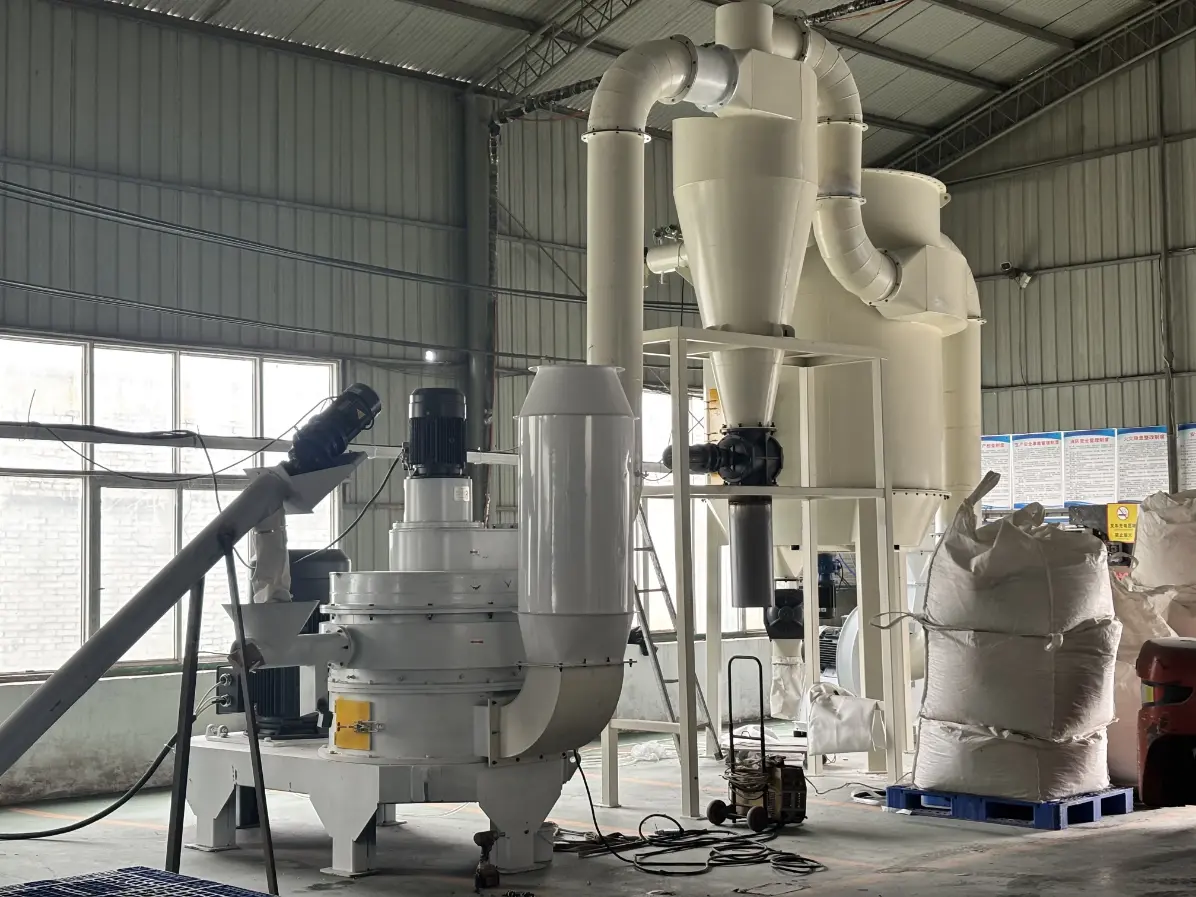
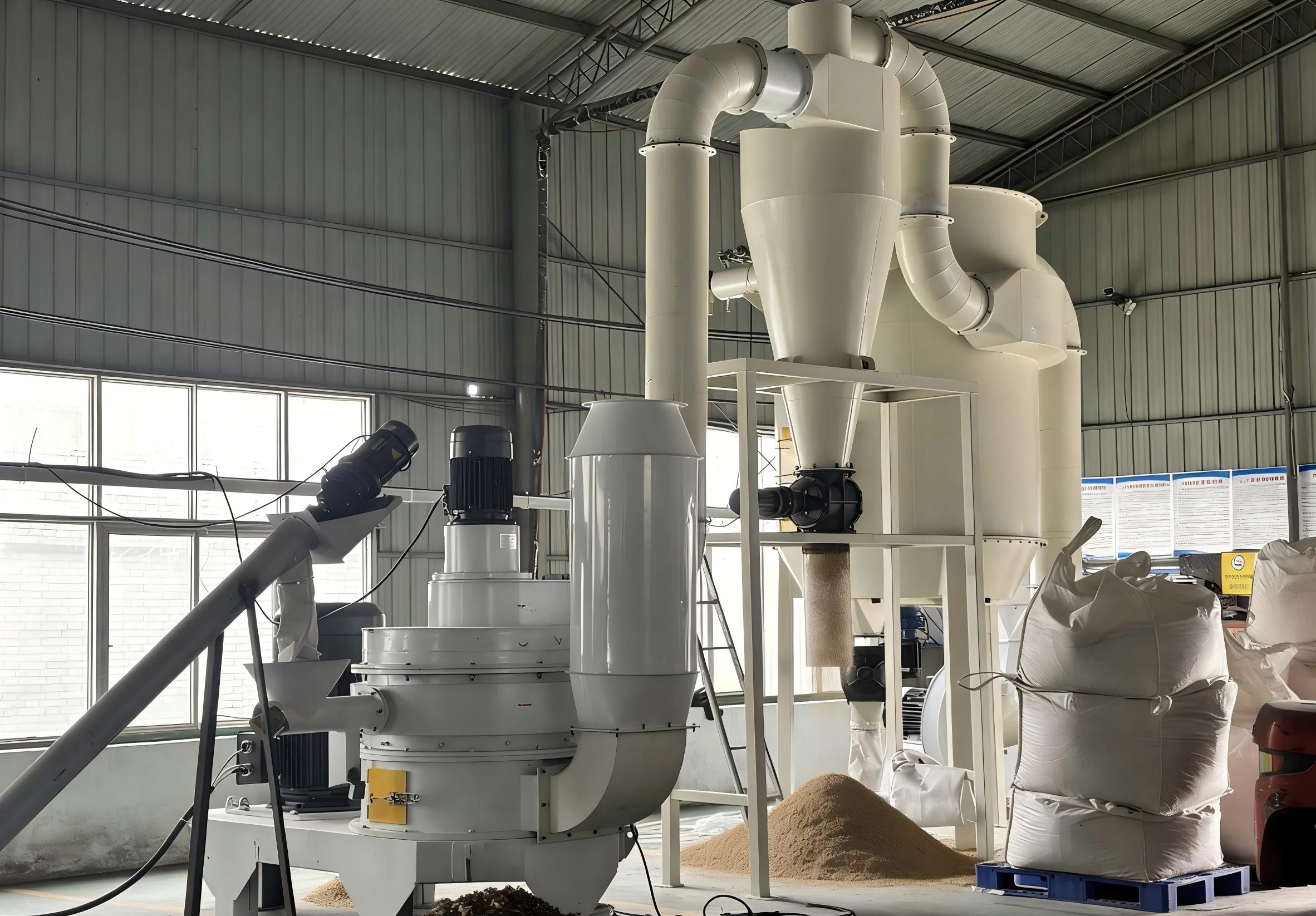
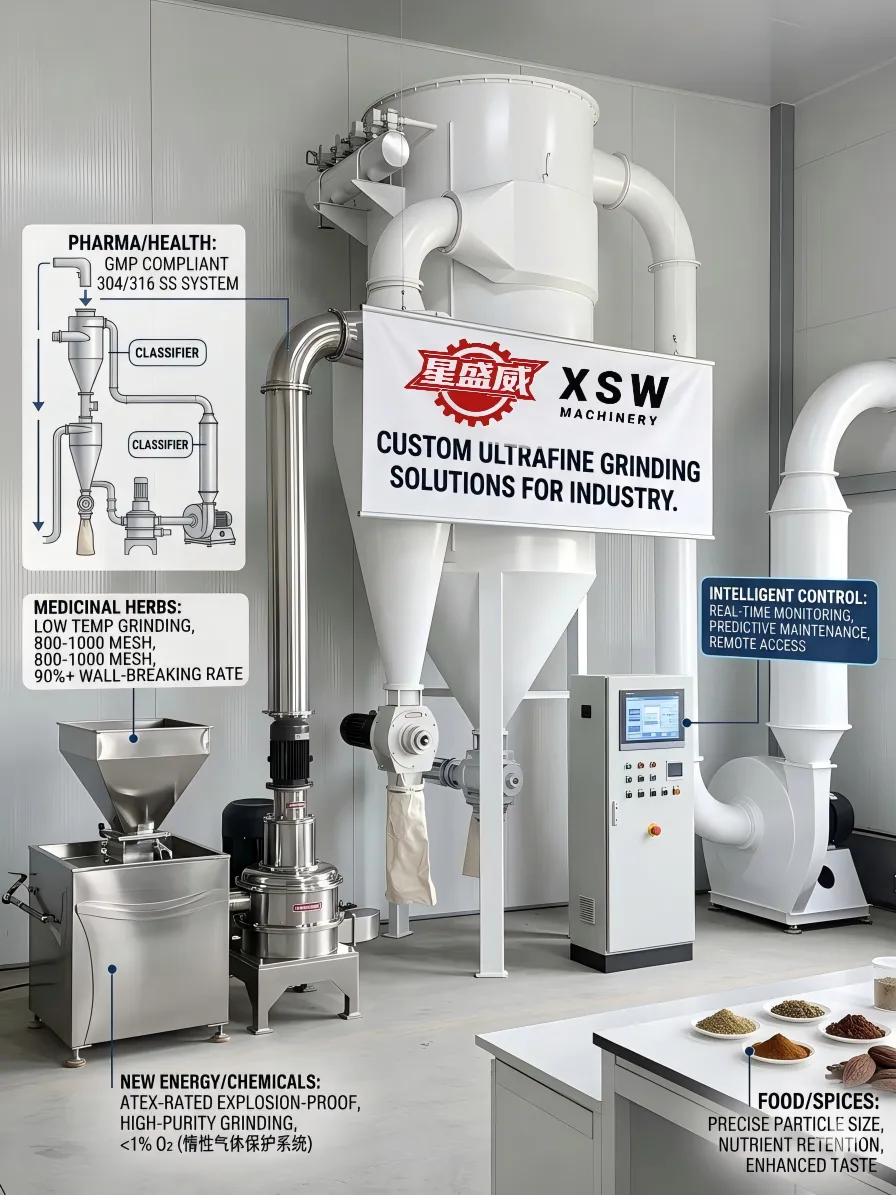
At the heart of this equipment is a vertically oriented grinding chamber equipped with high-speed rotating blades or pins. Material enters the chamber and is subjected to repeated impacts against the rotating elements and the chamber wall. Unlike traditional mills that rely solely on mechanical force, this system incorporates an integrated air classifier that dynamically separates particles based on size.
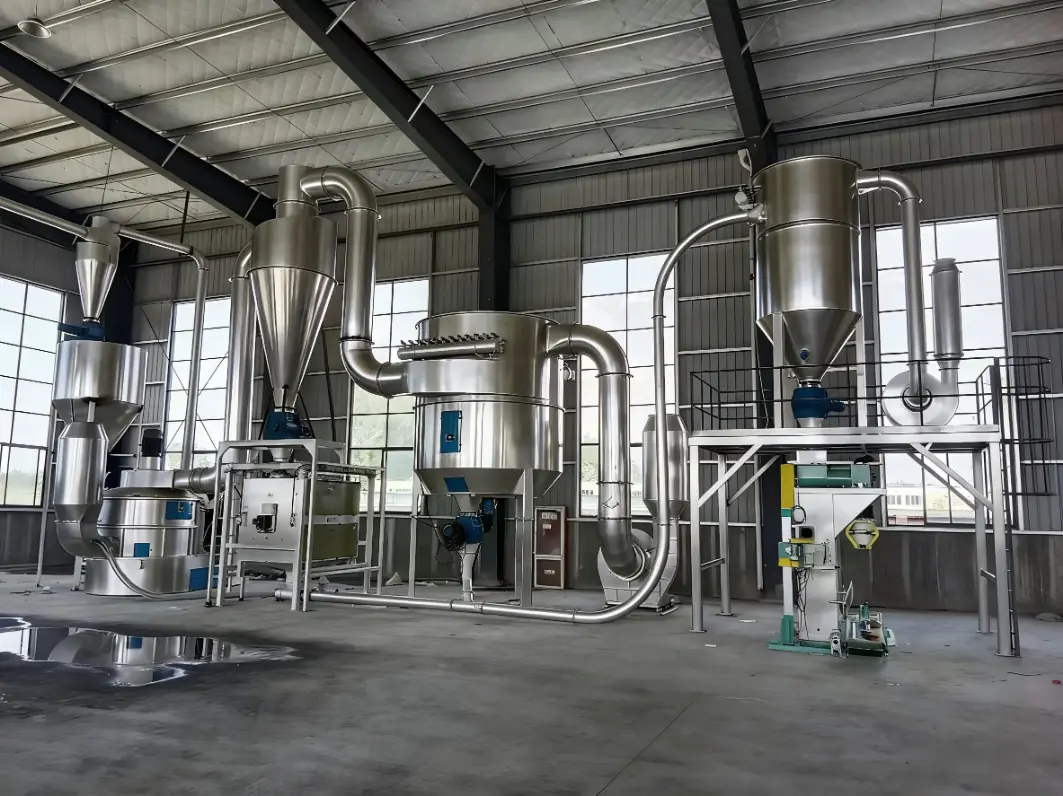
The air classification mechanism works as follows: as ground material is lifted by an air stream, finer particles are carried upward to the classification zone, while coarser particles remain in the grinding zone for further size reduction. This continuous recirculation ensures that only particles meeting the specified size threshold exit the system, resulting in exceptionally uniform powder with minimal oversize material. The closed-loop design also contains dust effectively, creating a cleaner working environment.
For heat-sensitive produce, the system can be configured with cooling features that maintain lower operating temperatures, preserving volatile aroma compounds and natural pigments. This makes the Fruit Vegetable Ultrafine Pulverizer particularly suitable for processing berries, herbs, and other color-sensitive ingredients.
3. Key Advantages Over Conventional Milling Equipment
When compared to traditional milling solutions, the Fruit Vegetable Ultrafine Pulverizer offers several distinct advantages that directly impact product quality and production consistency.
| Feature | Conventional Mills | Ultrafine Pulverizer |
|---|---|---|
| Particle Size Distribution | Wide range, inconsistent | Narrow, highly uniform (micron-level) |
| Heat Generation | High, risk of degradation | Low, with cooling options |
| Fiber Processing | Prone to clogging | Efficient, self-clearing design |
| Dust Control | Open systems, dust emission | Closed-loop, minimal dust |
| Fineness Range | Typically 80–200 mesh | Up to 500 mesh (25 microns) |
Beyond these technical differentiators, the integrated design reduces the need for separate screening or classification equipment, streamlining the production line. The ability to adjust fineness settings without changing screens or mechanical parts offers remarkable operational flexibility. This adaptability is particularly valuable for contract manufacturers or R&D facilities that process multiple produce types with varying optimal particle sizes.
4. Applications Across the Food Industry
The versatility of the Fruit Vegetable Ultrafine Pulverizer extends across a broad spectrum of food processing applications. Its ability to handle both dried and moderately moist materials makes it suitable for:
- Beverage Ingredients: Producing soluble fruit and vegetable powders for smoothies, juices, and nutritional drinks, where smooth mouthfeel and rapid dissolution are critical.
- Bakery and Confectionery: Creating fine fruit powders for flavoring, coloring, and texturizing baked goods, chocolates, and confections.
- Nutraceuticals and Supplements: Milling dried fruits and vegetables into high-bioavailability powders for dietary supplements, where particle size directly impacts nutrient release.
- Infant and Geriatric Foods: Producing ultra-fine powders that are easy to digest and reconstitute, addressing the needs of sensitive consumer groups.
- Flavor and Color Ingredients: Generating natural colorants and flavor bases from produce, replacing synthetic alternatives with clean-label solutions.
In each of these applications, the equipment's ability to produce consistent, fine powders without compromising sensory qualities—color, flavor, and aroma—makes it an indispensable tool for product developers and production managers alike.
5. Operational Considerations for Optimal Performance
To maximize the benefits of a Fruit Vegetable Ultrafine Pulverizer, operators should consider several key factors that influence performance and product quality.
Feed Material Preparation
While the equipment can handle a range of feed consistencies, pre-drying or partial dehydration of high-moisture fruits and vegetables improves grinding efficiency and prevents agglomeration. For fresh produce with high sugar content, such as dates or figs, pre-cooling or cryogenic options may be beneficial to prevent sticky buildup.
Parameter Adjustment
The system allows operators to fine-tune rotor speed, air flow rate, and classifier wheel speed to achieve target particle sizes. Understanding the relationship between these parameters and the specific material characteristics—hardness, fiber content, and moisture level—enables precise control over the final powder specification.
Maintenance and Cleaning
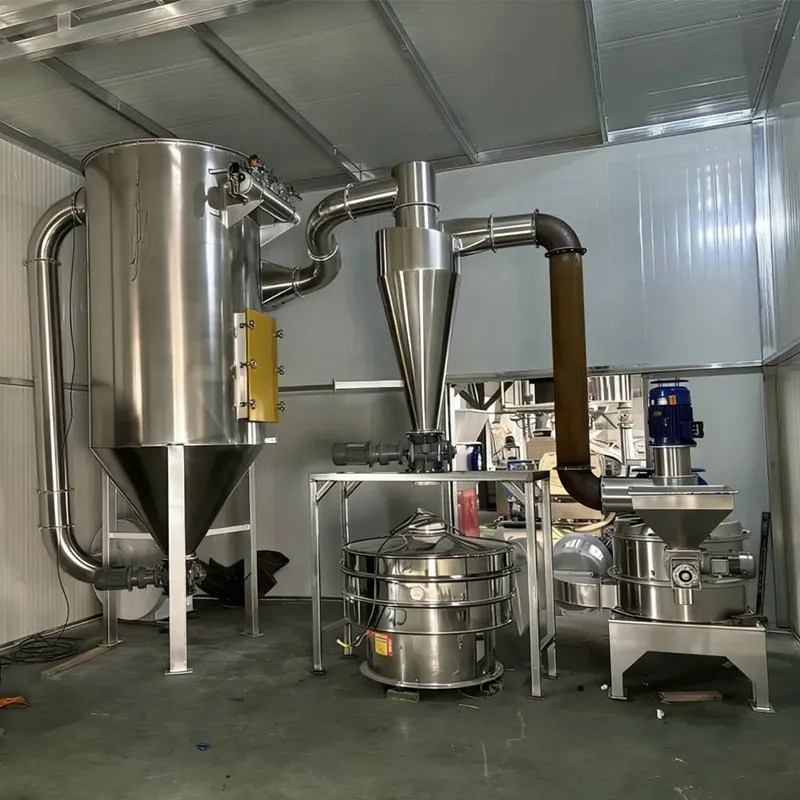
Sanitary design features, including stainless steel construction and easy-access grinding chambers, facilitate rapid cleaning between batches. This is particularly important when switching between different produce types to prevent cross-contamination and flavor carryover. Regular inspection of wear parts, such as blades and liners, ensures consistent performance over the equipment's lifespan.
6. Frequently Asked Questions
For food processors seeking to elevate their fruit and vegetable powder production, the Fruit Vegetable Ultrafine Pulverizer represents a significant advancement over conventional milling technologies. Its combination of precise particle size control, gentle processing conditions, and operational flexibility enables manufacturers to create superior products that meet the growing demand for clean-label, nutrient-dense, and sensory-appealing ingredients.
Backed by the engineering expertise of Qingdao Xingshengwei Machinery Co., Ltd., this equipment is designed to deliver consistent performance across a wide range of produce-based applications. The company's commitment to quality and innovation ensures that each pulverizer meets the rigorous demands of modern food processing environments.