Why Choose Aquaculture Feed Ultrafine Pulverizer?
In modern aquaculture, feed quality directly determines breeding efficiency, animal health, and overall profitability. As farming scales expand and species diversification increases, traditional feed grinding methods are no longer sufficient to meet the demand for precision nutrition. This is where the Aquaculture Feed Ultrafine Pulverizer becomes a core piece of equipment. Designed to produce ultra-fine, uniform feed particles, it plays a crucial role in improving feed utilization, reducing waste, and enhancing aquatic animal growth performance.

Abstract
This article provides an in-depth and practical overview of the Aquaculture Feed Ultrafine Pulverizer, focusing on real customer challenges such as uneven particle size, low feed conversion rates, high energy consumption, and maintenance complexity. You will learn how ultrafine pulverizing technology addresses these issues, how to select the right equipment, and why manufacturers worldwide trust solutions from Qingdao Xingshengwei Machinery Co., Ltd.. Whether you are a feed mill owner, aquaculture integrator, or technical decision-maker, this guide aims to help you make informed equipment choices.
Table of Contents
- What Is an Aquaculture Feed Ultrafine Pulverizer?
- Key Customer Pain Points in Aquaculture Feed Processing
- How Ultrafine Pulverizing Technology Works
- Core Advantages of Aquaculture Feed Ultrafine Pulverizer
- Main Applications in Aquatic Feed Production
- Technical Parameters and Performance Indicators
- How to Choose the Right Ultrafine Pulverizer
- Why Qingdao Xingshengwei Machinery Co., Ltd.?
- Operation, Maintenance, and Cost Considerations
- Frequently Asked Questions
What Is an Aquaculture Feed Ultrafine Pulverizer?
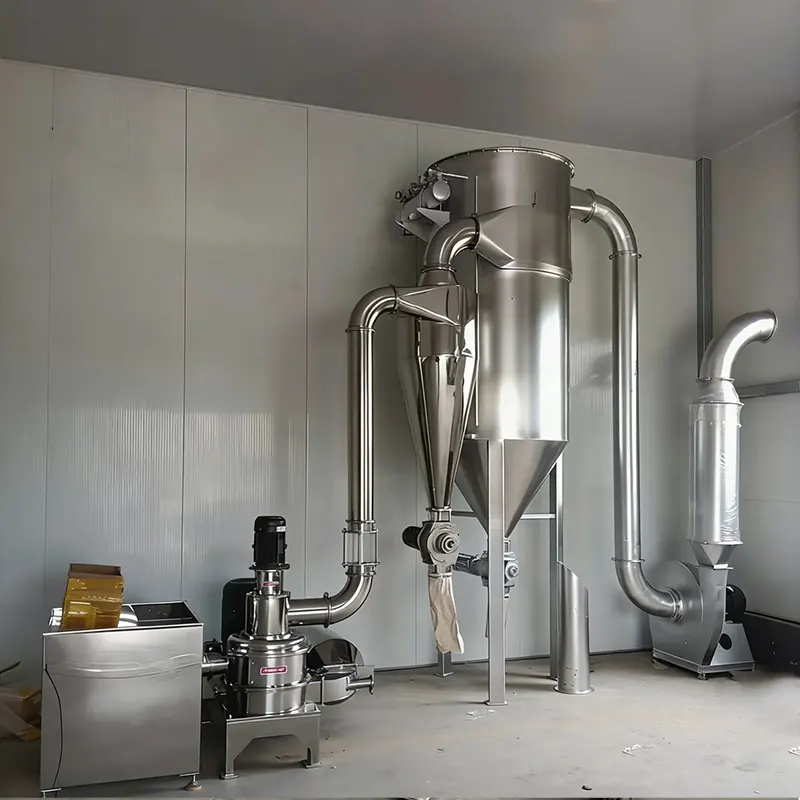
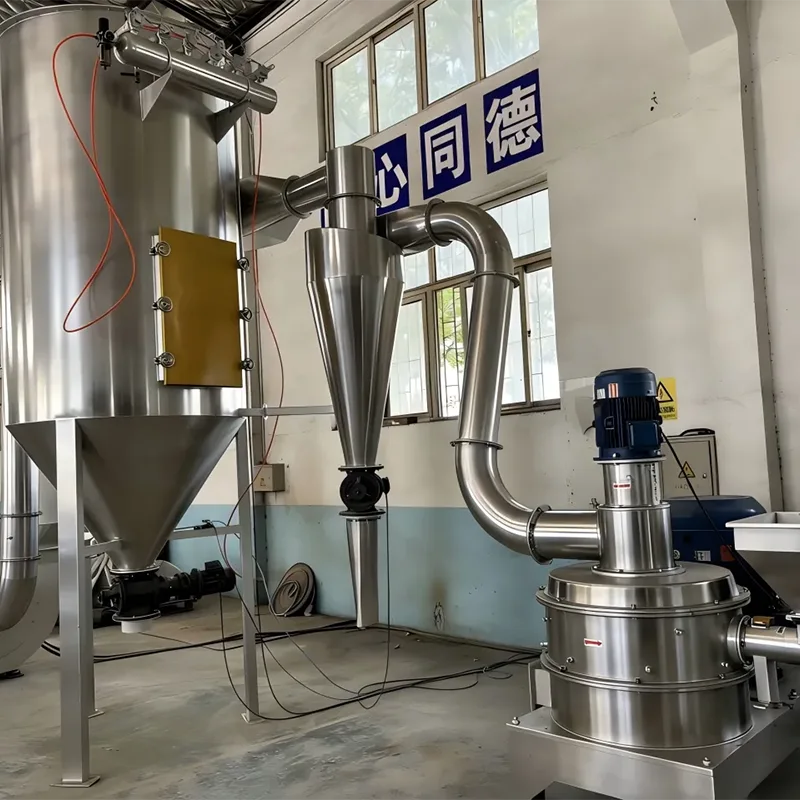
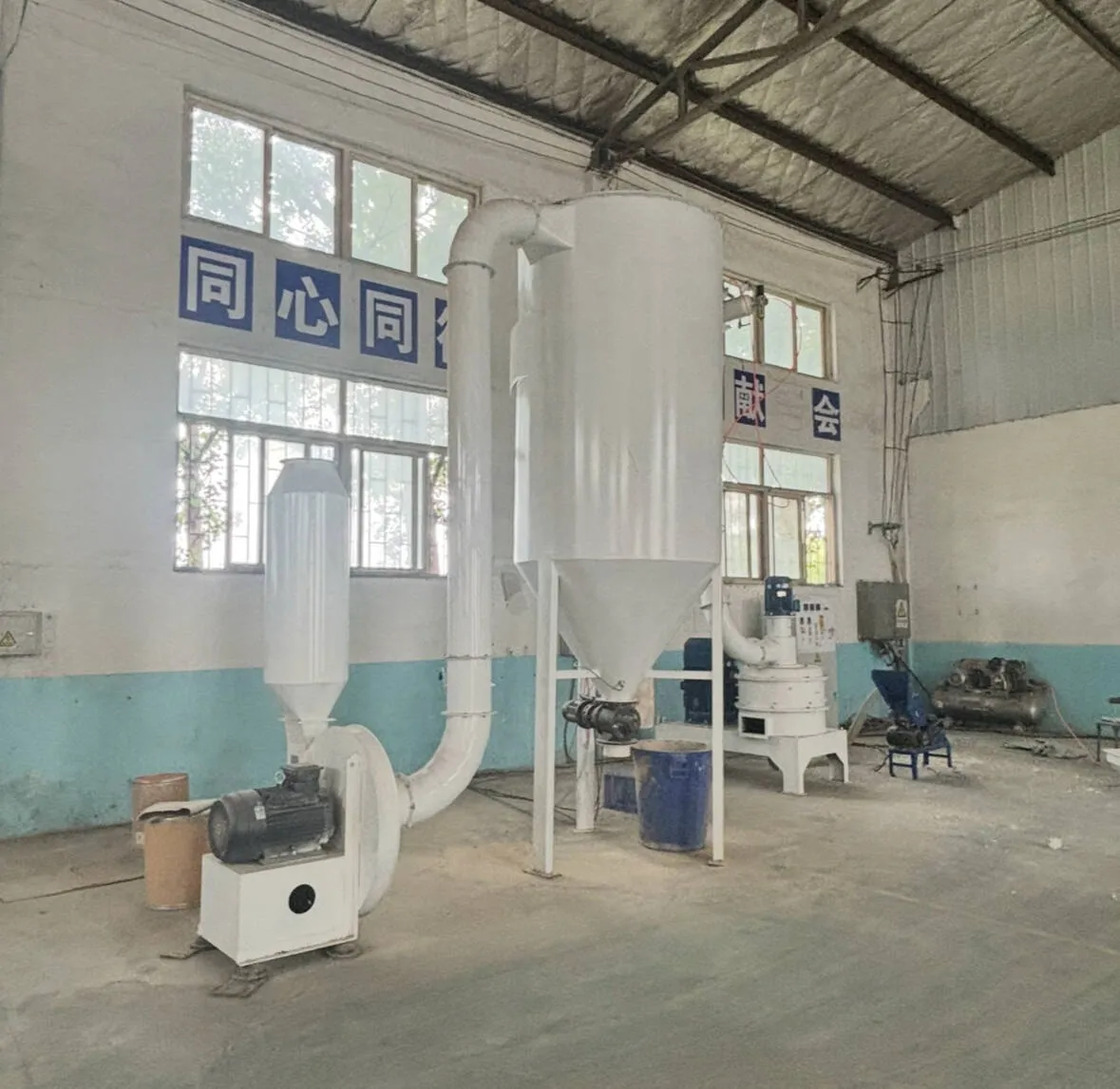
An Aquaculture Feed Ultrafine Pulverizer is a specialized grinding system designed to reduce feed raw materials into micron-level particles. Unlike conventional hammer mills or coarse grinders, this equipment focuses on high-precision size control, ensuring consistent feed texture for aquatic species such as shrimp, fish larvae, eel, crab, and ornamental fish.
By achieving ultra-fine particle sizes, the pulverizer allows nutrients to disperse evenly within pellets or micro-feeds, improving digestibility and stability in water.
Key Customer Pain Points in Aquaculture Feed Processing
Many aquaculture producers face similar operational challenges when processing feed. Understanding these pain points helps clarify the real value of ultrafine pulverizing equipment.
- Uneven particle size: Causes feed segregation and inconsistent nutrition intake.
- Low feed utilization: Large particles are poorly digested, increasing waste.
- Water pollution: Excess fines or unstable feed dissolve too quickly.
- High energy consumption: Inefficient grinding increases operating costs.
- Frequent downtime: Wear-prone components disrupt production schedules.
How Ultrafine Pulverizing Technology Works
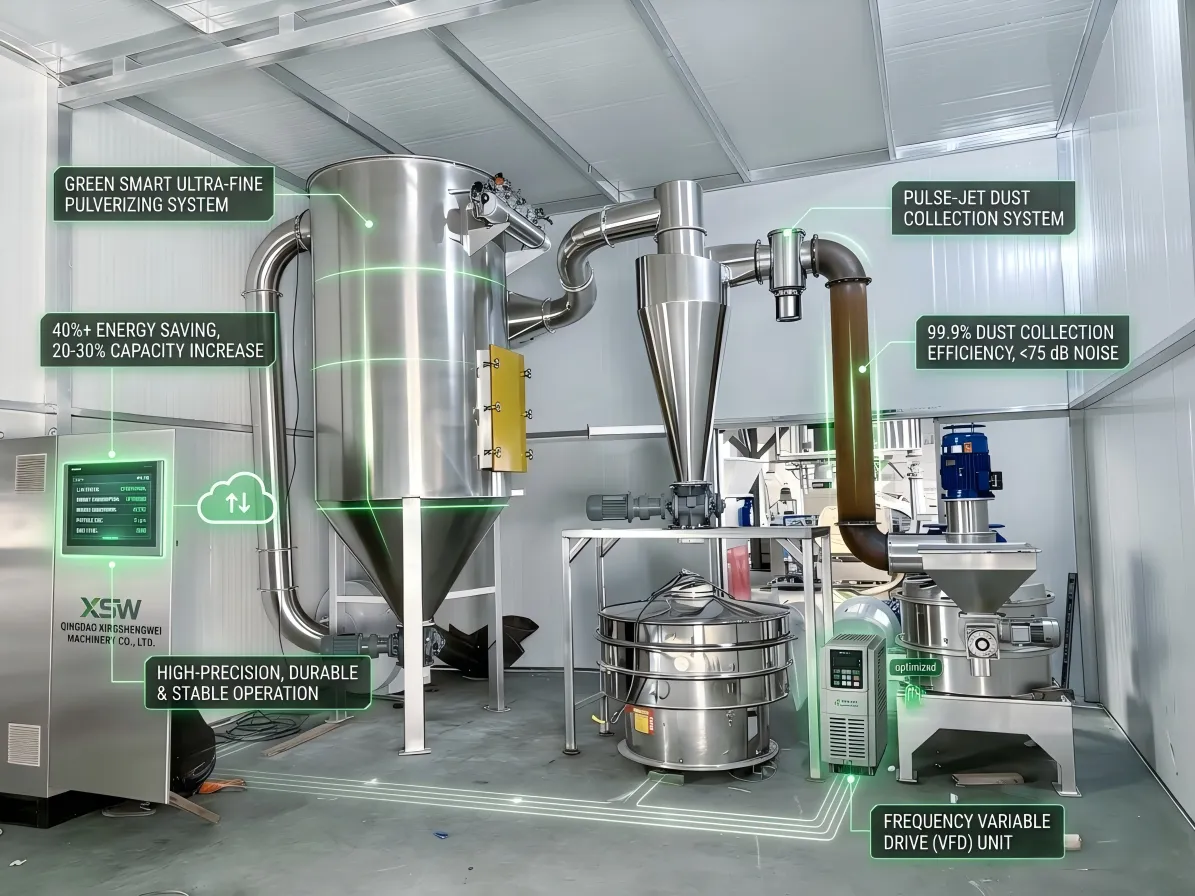
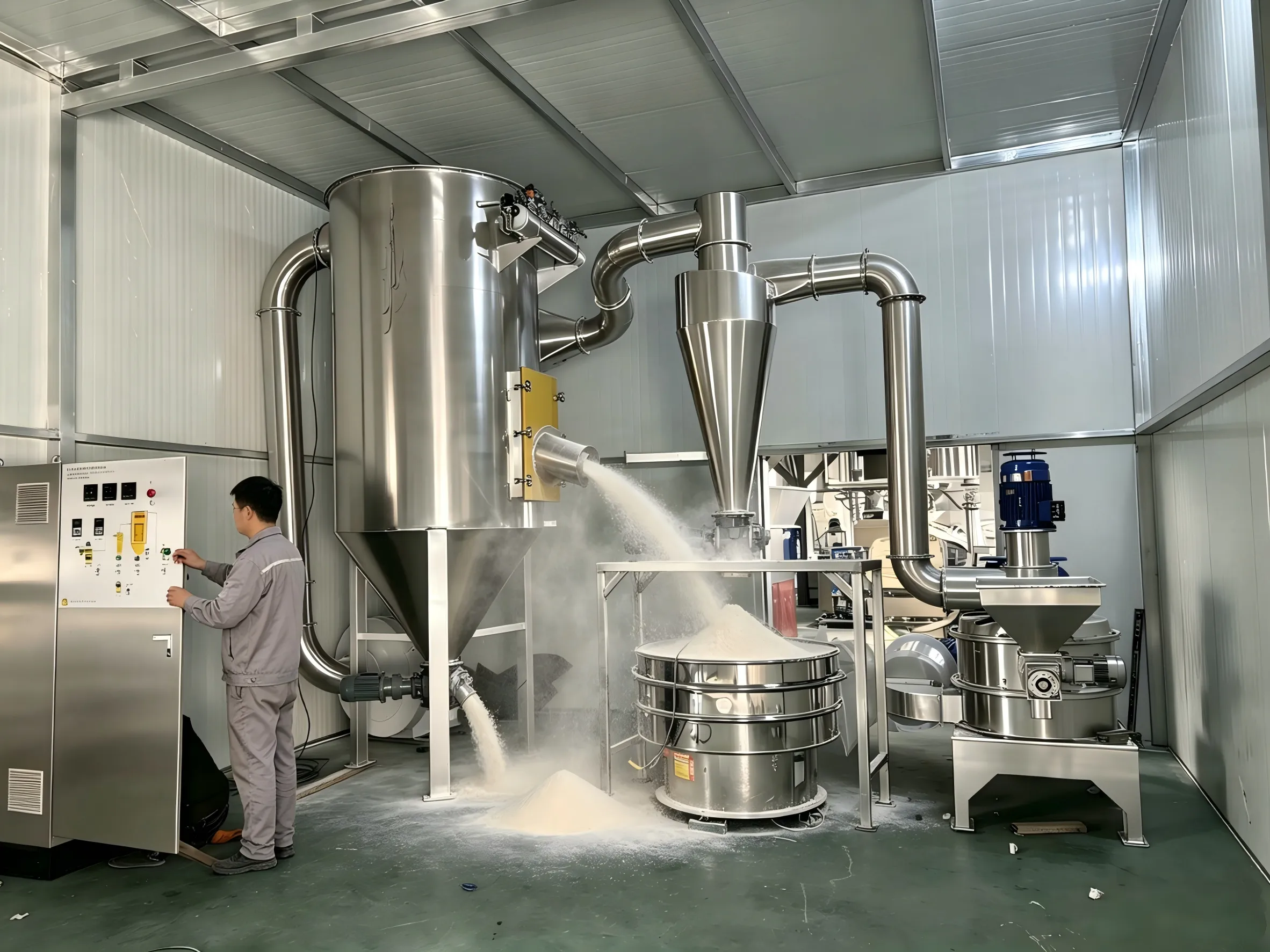
The Aquaculture Feed Ultrafine Pulverizer uses high-speed rotating components combined with airflow classification. Raw materials are subjected to repeated impact, shear, and collision until they reach the target fineness.
A built-in classification system ensures that only qualified particles pass through, while oversized materials are returned for further grinding. This closed-loop process guarantees consistency and minimizes over-grinding.
Core Advantages of Aquaculture Feed Ultrafine Pulverizer
Compared with traditional grinding equipment, ultrafine pulverizers offer multiple operational and nutritional advantages.
| Advantage | Description | Customer Benefit |
|---|---|---|
| High Precision | Micron-level particle size control | Improved feed consistency |
| Better Digestibility | Uniform nutrient distribution | Higher feed conversion ratio |
| Energy Efficiency | Optimized airflow and grinding chamber | Lower operating costs |
| Stable Operation | Wear-resistant components | Reduced downtime |
Main Applications in Aquatic Feed Production
The Aquaculture Feed Ultrafine Pulverizer is widely used across different aquaculture segments, including:
- Larval and juvenile fish feed
- Shrimp and crab micro-feed
- Eel and ornamental fish feed
- Special functional aquatic feed
These applications demand strict particle size control, which standard grinding equipment cannot reliably achieve.
Technical Parameters and Performance Indicators
When evaluating an Aquaculture Feed Ultrafine Pulverizer, several technical indicators are especially important.
| Parameter | Typical Range |
|---|---|
| Particle Size | 50–200 microns |
| Capacity | 200–2000 kg/h |
| Power Consumption | Optimized for continuous operation |
| Material Compatibility | Fish meal, soybean meal, additives |
How to Choose the Right Ultrafine Pulverizer
Selecting the right Aquaculture Feed Ultrafine Pulverizer requires a balance between production needs and long-term efficiency.
- Clarify target particle size and species requirements
- Match equipment capacity with production scale
- Evaluate energy consumption and maintenance cost
- Choose a manufacturer with proven industry experience
Working with a trusted supplier such as Qingdao Xingshengwei Machinery Co., Ltd. ensures professional guidance and reliable equipment performance.
Why Qingdao Xingshengwei Machinery Co., Ltd.?
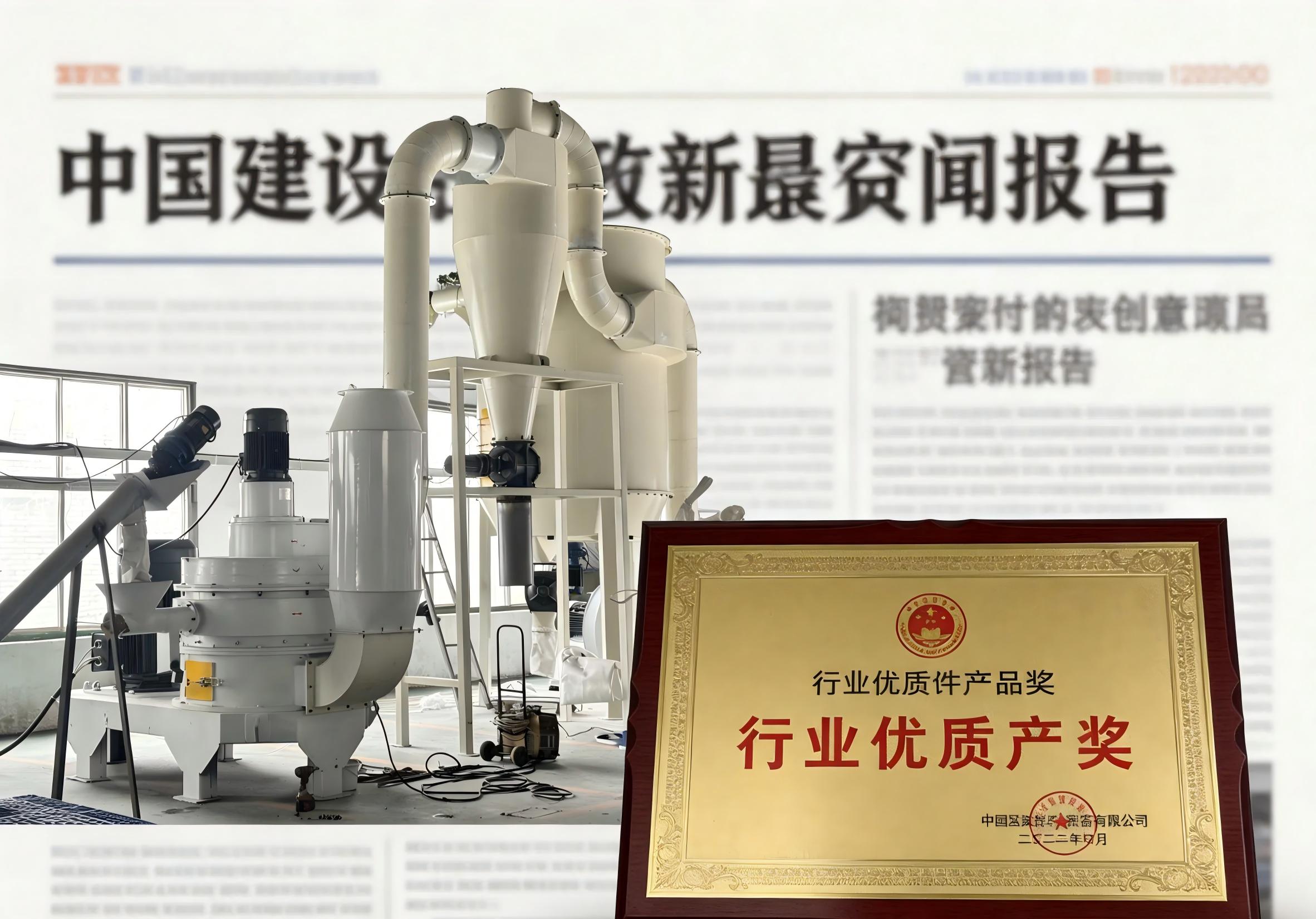
Qingdao Xingshengwei Machinery Co., Ltd. has built a strong reputation in feed processing equipment manufacturing. With years of experience in aquaculture machinery, the company focuses on innovation, durability, and customer-oriented design.
Their Aquaculture Feed Ultrafine Pulverizer solutions are engineered to meet diverse production requirements while maintaining consistent quality and operational stability.
Operation, Maintenance, and Cost Considerations
Proper operation and maintenance directly affect equipment lifespan and production efficiency.
- Regular inspection of wearing parts
- Stable feeding and airflow adjustment
- Scheduled cleaning to avoid material buildup
Although the initial investment may be higher than conventional grinders, long-term savings from improved feed efficiency and reduced waste make ultrafine pulverizers a cost-effective choice.
Frequently Asked Questions
What particle size is suitable for shrimp feed?
Shrimp feed typically requires ultra-fine particles between 80 and 150 microns to ensure proper digestion and water stability.
Can one pulverizer handle different raw materials?
Yes, a well-designed Aquaculture Feed Ultrafine Pulverizer can process fish meal, plant proteins, and additives with stable performance.
Is maintenance complicated?
With proper training and routine inspection, maintenance is straightforward and predictable.
How does ultrafine grinding improve feed efficiency?
Smaller, uniform particles improve nutrient absorption and reduce feed loss in water.
In today’s competitive aquaculture industry, investing in the right feed processing equipment is essential for sustainable growth. A high-performance Aquaculture Feed Ultrafine Pulverizer from Qingdao Xingshengwei Machinery Co., Ltd. can help you overcome production challenges, improve feed quality, and maximize profitability. If you are looking for reliable solutions tailored to your needs, feel free to contact us to discuss your project and discover how our expertise can support your success.
Related News
- How Does Chili Ultrafine Pulverizer Improve Spice Processing?
- Why Choose a Fruit Vegetable Ultrafine Pulverizer for Fine Powders?
- How to accurately match ultrafine crushers for your production line?
- How to choose the right ultrafine pulverizer for your industrial production? Core Guidelines for Cross border Procurement
- How does Xingshengwei Machinery define the new standard for modern ultrafine grinding
- Cracking the flavor lock code: Xingshengwei Machinery reveals the low-temperature crushing mystery of Spice Seasoning Superfine Grinder
Leave me a message