How Does an Aquaculture Feed Ultrafine Pulverizer Work?
Summary: The aquaculture industry is increasingly demanding high-quality, uniform feed for various aquatic species. An aquaculture feed ultrafine pulverizer offers a solution to improve feed digestibility, nutritional absorption, and overall efficiency. This article explores the working principles, benefits, operational tips, and frequently asked questions about these machines, helping aquaculture professionals make informed decisions.
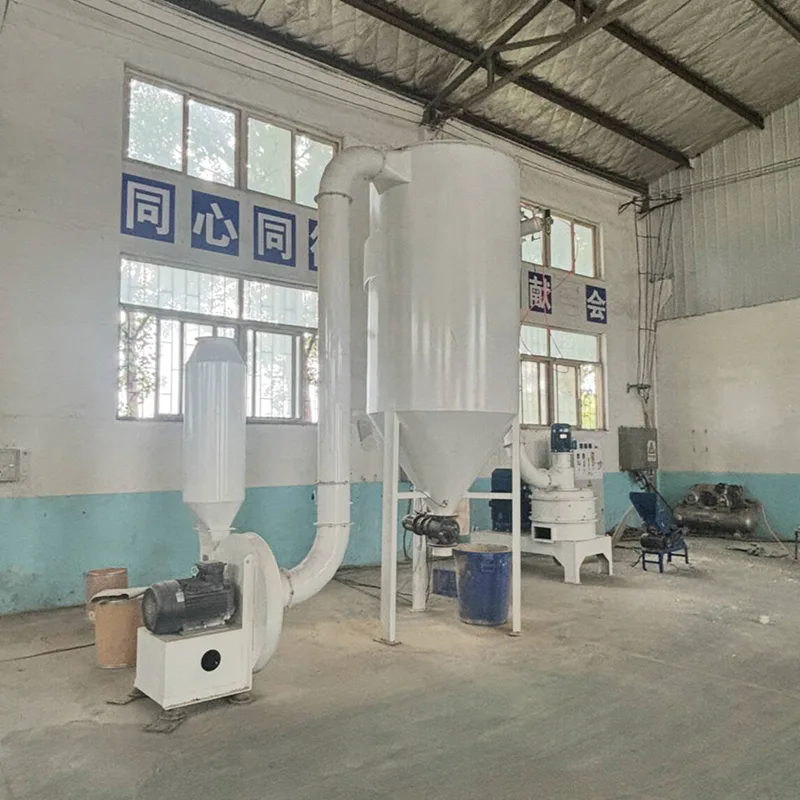
Table of Contents
- Overview of Aquaculture Feed Ultrafine Pulverizers
- Working Principle
- Key Benefits
- Tips for Selecting the Right Pulverizer
- Maintenance and Troubleshooting
- Frequently Asked Questions
Overview of Aquaculture Feed Ultrafine Pulverizers
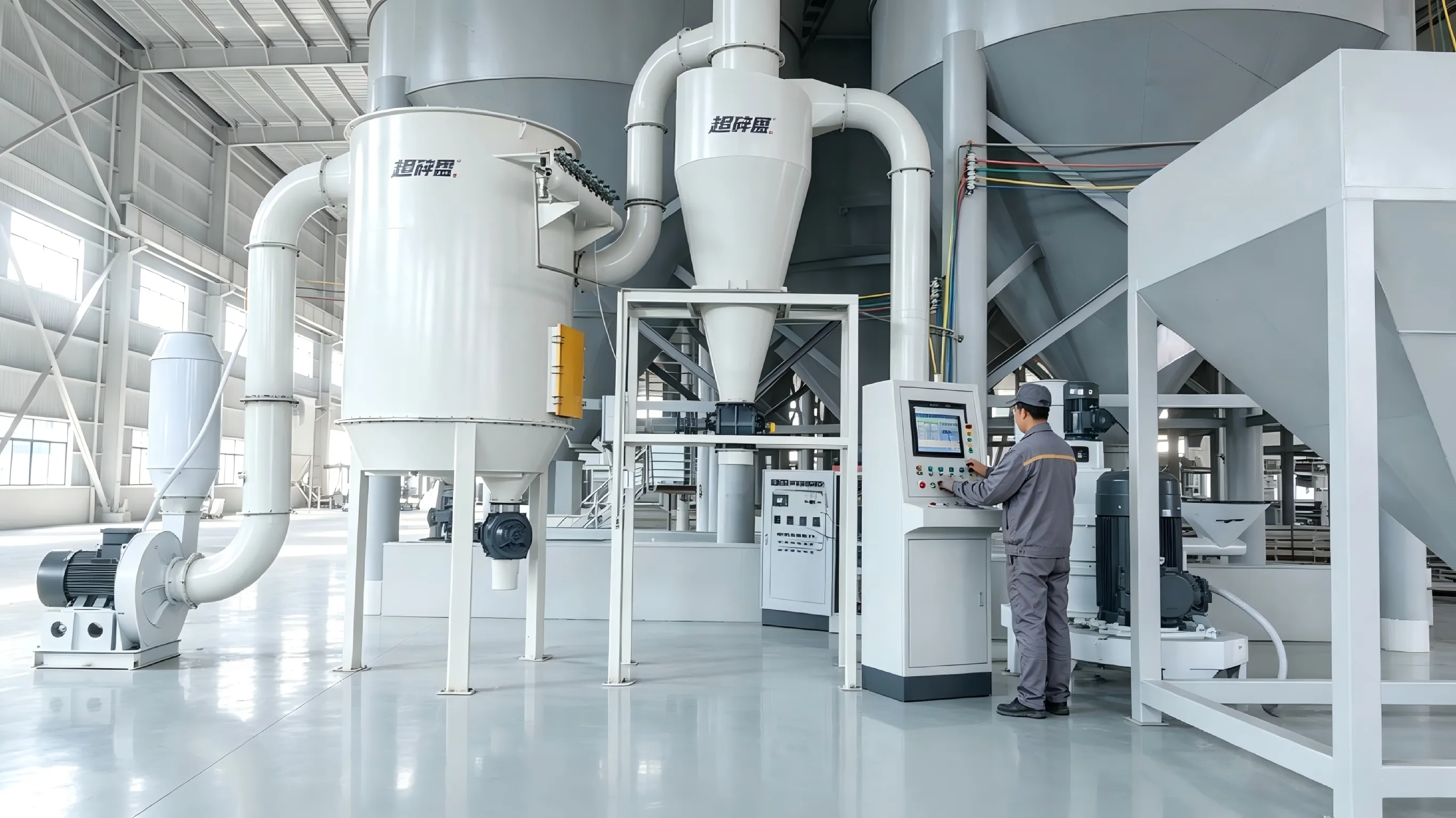
An aquaculture feed ultrafine pulverizer is a specialized machine designed to grind feed materials into extremely fine particles. This process ensures better nutrient absorption, reduces waste, and supports healthy growth for fish, shrimp, and other aquatic species.
Companies like Xingshengwei have developed machines that cater specifically to aquaculture feed processing, combining high efficiency with low energy consumption. The pulverizers are widely used in feed mills, shrimp farms, and large-scale aquaculture operations.
Working Principle
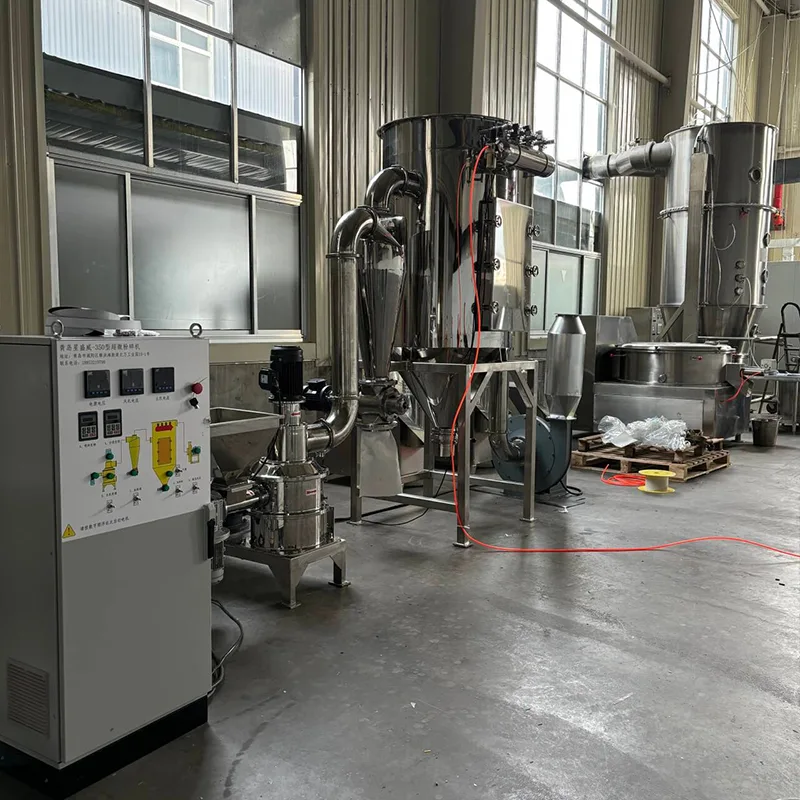
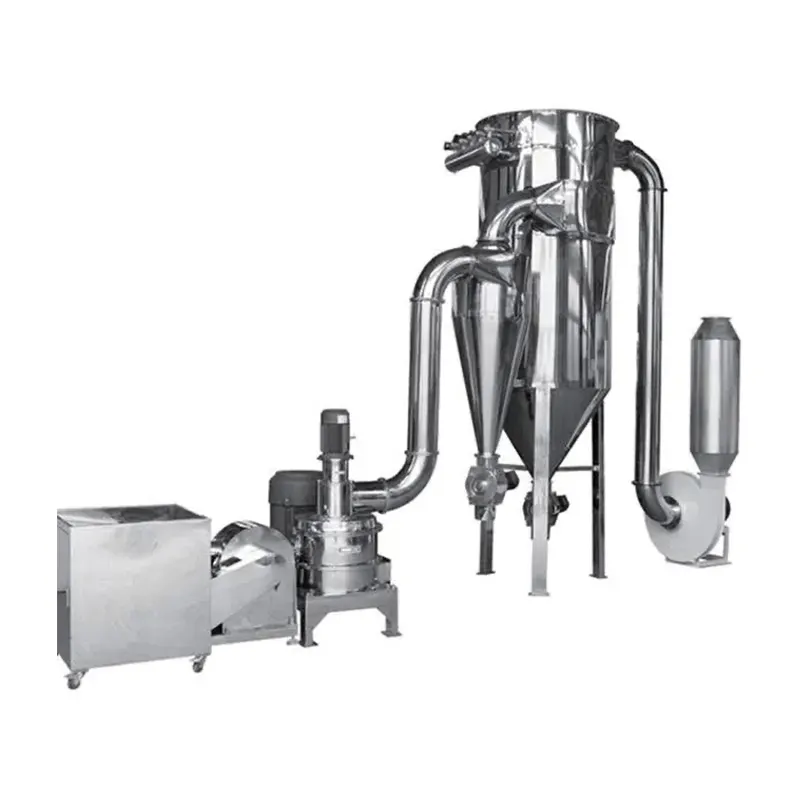
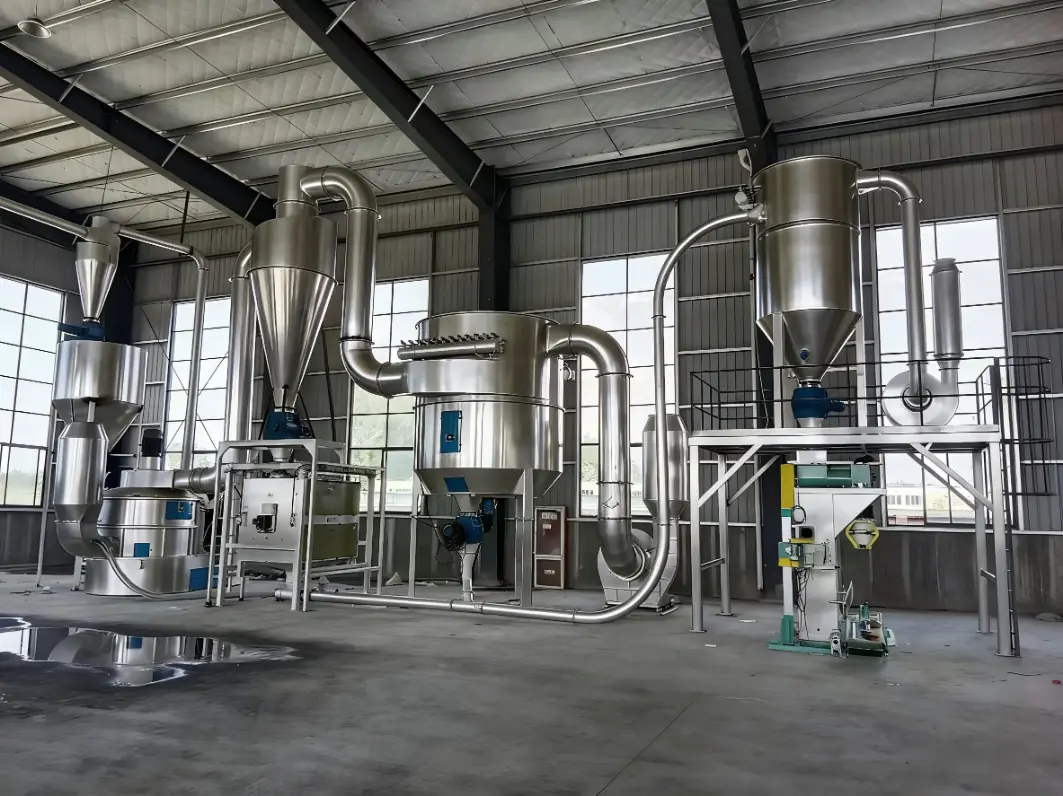
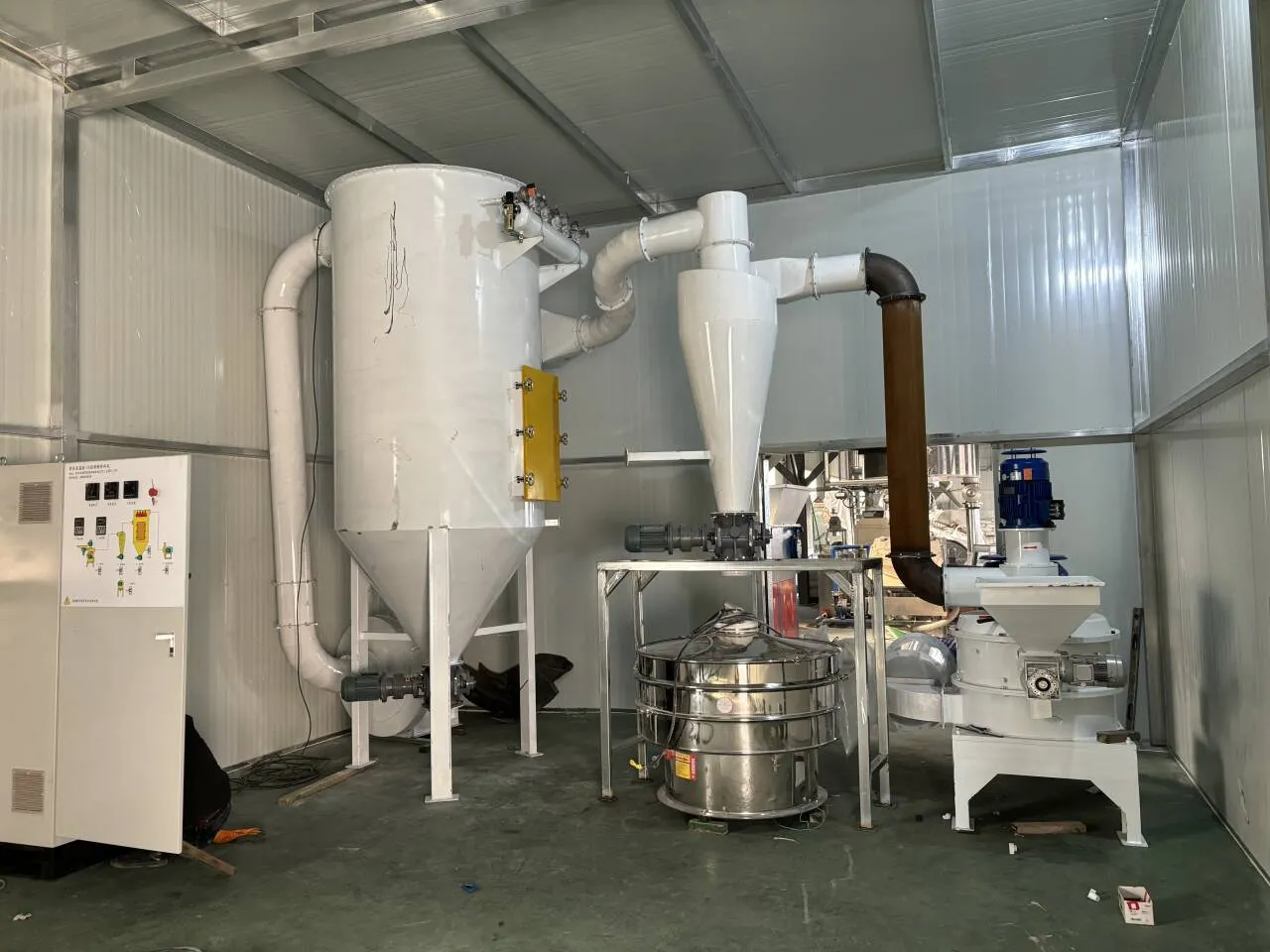
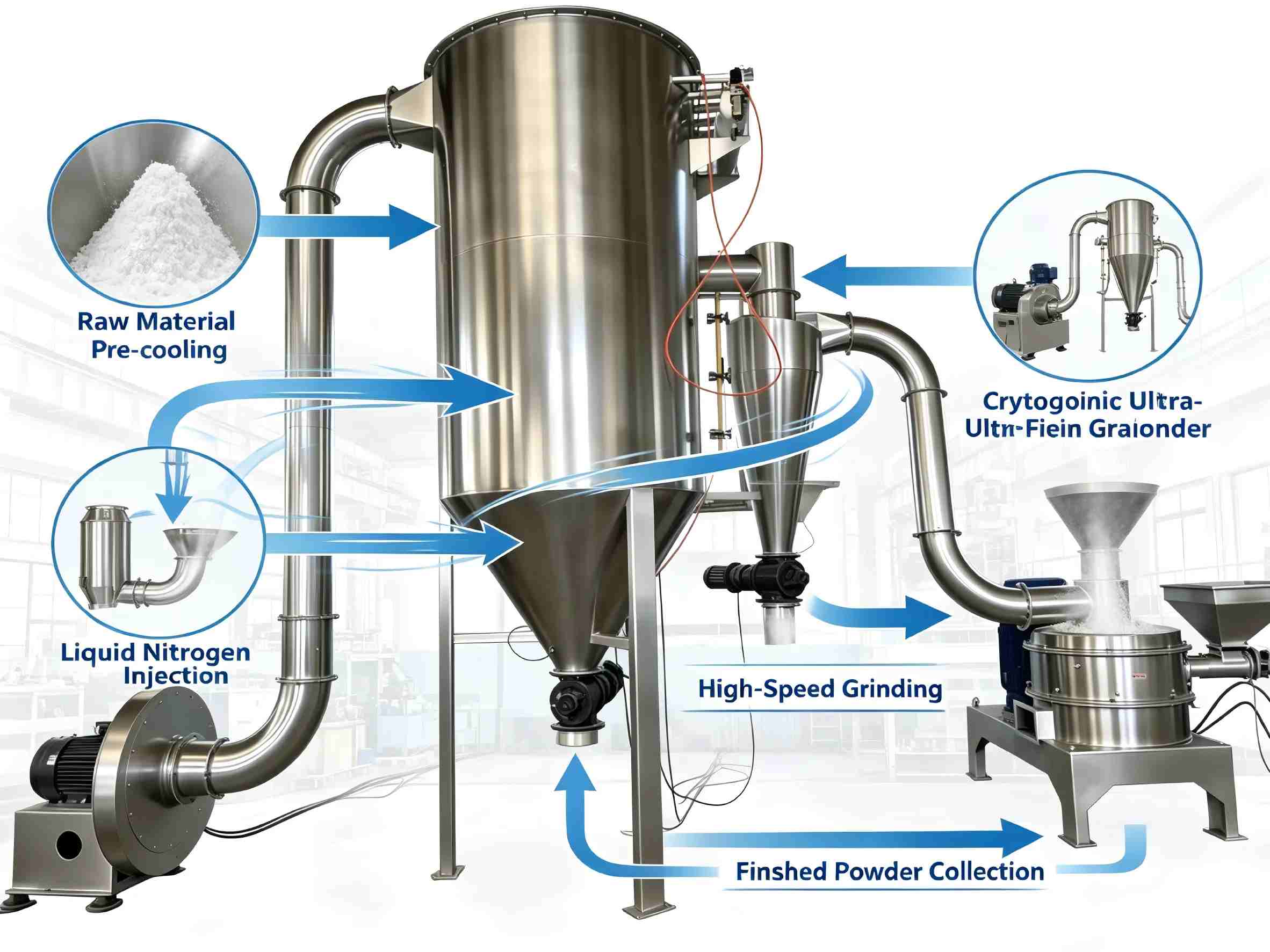
The ultrafine pulverizer operates on mechanical impact, shear, and compression. Feed materials are fed into the grinding chamber, where high-speed rotors crush them into fine particles. The following table summarizes the key components and functions:
| Component | Function |
|---|---|
| Feeding hopper | Uniformly delivers raw materials into the grinding chamber |
| Rotor | High-speed rotation creates shear and impact to pulverize feed |
| Grinding chamber | Contains the pulverization process, ensures uniform particle size |
| Screen | Separates oversized particles, ensuring uniform fineness |
| Discharge outlet | Collects the processed feed powder for packaging or further processing |
Modern ultrafine pulverizers often include features such as adjustable rotor speed, temperature control, and noise reduction systems to optimize performance and feed quality.
Key Benefits
- Improved Feed Digestibility: Finer particles are easier for aquatic species to consume and digest, enhancing growth rates.
- Enhanced Nutrient Absorption: Ultrafine feed allows better absorption of vitamins and minerals.
- Reduced Feed Waste: Smaller particles minimize leftover feed, improving feed conversion ratio (FCR).
- Customizable Particle Size: Allows adjustment for different species’ feeding needs.
- Energy Efficiency: High-speed rotors and optimized chamber designs reduce energy consumption.
- Durability: Industrial-grade materials ensure long service life with minimal maintenance.
Tips for Selecting the Right Pulverizer
Choosing the appropriate aquaculture feed ultrafine pulverizer is crucial for operational efficiency. Consider the following factors:
- Capacity Requirements: Determine the daily feed production volume to match the machine's output.
- Particle Size: Check the fineness range offered and ensure it suits your aquatic species.
- Material Compatibility: Ensure the machine can handle feed ingredients such as grains, fishmeal, and soybean meal.
- Maintenance Ease: Opt for machines with accessible components for cleaning and replacement.
- Energy Consumption: Evaluate the power efficiency to reduce operational costs.
Companies like Xingshengwei provide customized solutions based on these considerations to maximize feed quality and production efficiency.
Maintenance and Troubleshooting
Regular maintenance is essential to keep ultrafine pulverizers running efficiently. Follow these key steps:
- Daily Cleaning: Remove leftover feed particles and dust from the chamber and rotor.
- Lubrication: Regularly lubricate bearings and moving parts to prevent wear.
- Inspection: Check for rotor imbalance, wear of screens, and loose bolts.
- Troubleshooting: Monitor unusual noise, vibration, or overheating, and address issues promptly.
Proper maintenance ensures longer machine lifespan and consistent feed quality.
Frequently Asked Questions
- 1. What types of feed materials can the pulverizer process?
- The pulverizer can handle grains, fishmeal, soybean meal, and other dry feed ingredients.
- 2. Can I adjust the particle size?
- Yes, most machines have adjustable screens and rotor speeds to control particle fineness.
- 3. How do I know the machine is suitable for my production volume?
- Consult the manufacturer for capacity options. Xingshengwei offers guidance based on your specific needs.
- 4. How often should the pulverizer be serviced?
- Daily cleaning and weekly inspection are recommended. Major servicing may be required every 6–12 months depending on usage.
- 5. Is the machine energy-efficient?
- Yes, modern designs focus on high-speed, low-energy operation to reduce electricity costs.
For high-quality aquaculture feed ultrafine pulverizers and expert support from Xingshengwei, contact us today to optimize your feed production!
Related News
- How Does Chili Ultrafine Pulverizer Improve Spice Processing?
- Why Choose a Fruit Vegetable Ultrafine Pulverizer for Fine Powders?
- How to accurately match ultrafine crushers for your production line?
- How to choose the right ultrafine pulverizer for your industrial production? Core Guidelines for Cross border Procurement
- How does Xingshengwei Machinery define the new standard for modern ultrafine grinding
- Cracking the flavor lock code: Xingshengwei Machinery reveals the low-temperature crushing mystery of Spice Seasoning Superfine Grinder
Leave me a message